Key Takeaways:
- Accurate measurement is crucial for comfort and confidence with breast forms.
- Measuring at home is possible with simple tools and step-by-step guidance.
- A proper fit can prevent discomfort and posture issues.
- Professional advice is available, but self-measuring helps build confidence and independence.
Table of Contents:
- Understanding the Importance of Fit
- What You Need to Start Measuring
- Step-by-Step Measuring Guide
- Using Your Measurements to Choose a Breast Form
- Tips for Maximizing Comfort
- When to Seek Professional Help
- Comfort and Confidence in Everyday Life
Understanding the Importance of Fit
A close-fitting breast form facilitates movement, has postural balancing effects, and boosts attitude. Without the proper size or shape, dissatisfaction can occur, and this can lead to back or neck aches in the long run. Looking good is not only a matter of getting your fit right; it is also a matter of achieving physical comfort as well as emotional security.
Reliable guides like prosthetic breast plates for all can help you understand the importance of fit and walk you through initial steps before purchasing a breast form tailored to your needs.They typically include sizing charts, wear tips, and comparisons of full and partial dentures to accommodate various body shapes and surgical outcomes. By reviewing these resources, the transition process will become easier, and you will be more satisfied with your decision in the long term.
What You Need to Start Measuring
To get it right, all you require is a supportive but unpadded bra, a soft measuring tape, and a mirror. You can find it easier when you note down your measurements on the fly. For individuals who have recently undergone surgery, it is best to wait until the swelling subsides. Medical resources, such as the American Cancer Society, recommend avoiding a form until there have been reduced chances of soreness and discomfort.
Step-by-Step Measuring Guide
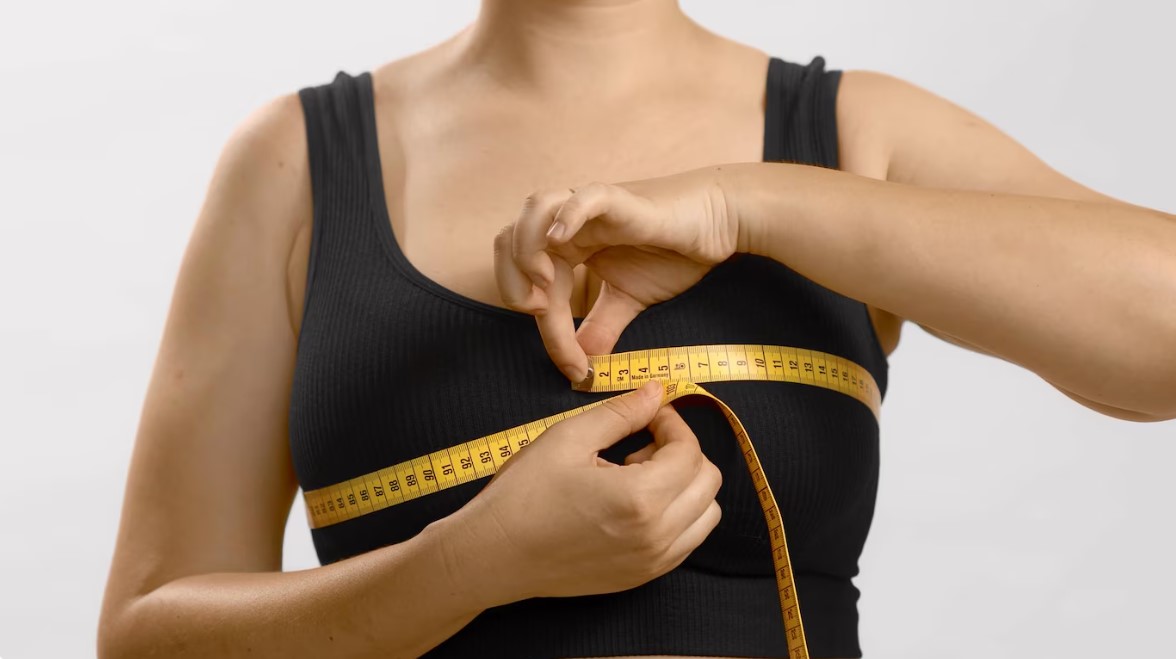
Begin by picking a band size, starting with snuffling the tape around your ribcage beneath your bust. For bust measurement, measure across the fullest part of the chest wall, depending on your surgery.Here are the things that you should observe about the differences in both sides in case you have undergone a single mastectomy. The difference between your band size and bust size determines the cup size of your body.
Using Your Measurements to Choose a Breast Form
Manufacturer charts: Convert your measurements to the suggested ones for the size and shape of breast forms. Consider whether you will be a symmetrical, asymmetrical, or teardrop person. Consider material as well, such as ultra-light matter, which is excellent on an off day, but silicone provides the best feel and weight.
Tips for Maximizing Comfort
Once you have the right size and shape, take it easy on the activities; slowly wean yourself into use so that your body can adjust to what you have bought.
1.Start by putting on your new form in intervals to see if it is comfortable for you.
2.Select bras that can fasten form-fitting on the breast.
3.Experiment with shapes and covers that sit comfortably against your skin and accommodate the activities you do daily.
Look around and observe any uncomfortable feelings, and adjust them as appropriate – the most comfortable one is the best, and you may not realize you put it on.
When to Seek Professional Help
Whether it is comfort or striking a balance among differences, certified mastectomy fitters and specialty boutiques can provide personalized solutions (hands-on, in-person) tailored to your body and the type of surgery.
Comfort and Confidence in Everyday Life
The correct breast shape helps restore balance, posture, and self-esteem. A few months down the line, re-examine your fit; do not wear anything that does not fit well, as comfort and security are what matters. The routine and the possibility of consulting specialists help you maintain optimal physical and mental condition.