Table of Contents
- Why Maintain Asphalt?
- Key Threats to Asphalt Longevity
- Routine Inspections: The Foundation of Longevity
- Proper Sealcoating Techniques
- Efficient Repair Methods
- Seasonal Maintenance Tips
- Eco-Friendly Approaches to Asphalt Care
- Frequently Asked Questions
Why Maintain Asphalt?
Maintaining asphalt surfaces is an investment that pays dividends. Routine care not only boosts the visual appeal of parking lots and driveways but also helps prevent minor issues from escalating into costly repairs. With proper maintenance, property owners can maximize the value of their investment, create a safer environment, and ensure their pavement stands the test of time. Businesses looking for professional support with parking lot paving La Porte IN, can rely on local experts to implement best practices and deliver durable, attractive results.
Well-cared-for asphalt offers additional cost advantages. According to the Federal Highway Administration, proactive maintenance can effectively double pavement life, significantly reducing the frequency and expense of full-scale replacements. This sustainable approach benefits the budget and the environment over the surface’s lifespan.
Key Threats to Asphalt Longevity
Despite its durability, asphalt is vulnerable to a handful of persistent threats. Water infiltration is one of the biggest culprits; it seeps into small cracks and undermines the base layer, leading to potholes and extensive damage, especially in freeze-thaw climates. UV rays are another silent enemy, gradually breaking down the asphalt binder, causing brittleness and surface raveling. Furthermore, oil leaks and chemical spills from vehicles can compromise the structural integrity by softening and breaking down the pavement’s surface. Regular foot and vehicle traffic also adds cumulative stress and early wear-and-tear.
Recognizing these threats early is essential. Surface oxidation, for example, makes asphalt look faded and gray while weakening its resilience. Regular observation and timely interventions can reduce these risks and extend the pavement’s life.
Routine Inspections: The Foundation of Longevity
Regular visual inspections play a vital role in preserving asphalt’s strength and appearance. Establishing a twice-yearly routine—preferably in spring and fall—helps identify small cracks, soft spots, pooling water, or uneven surfaces before they escalate. Documenting conditions with notes and photos supports proactive care, safeguarding asphalt longevity.
Industry research, such as findings highlighted by Asphalt Magazine, shows that early action vastly improves the lifespan of pavement surfaces. Early repairs are less expensive and disruptive than a full reconstruction, making regular inspections one of the best long-term strategies for asphalt management.
Proper Sealcoating Techniques
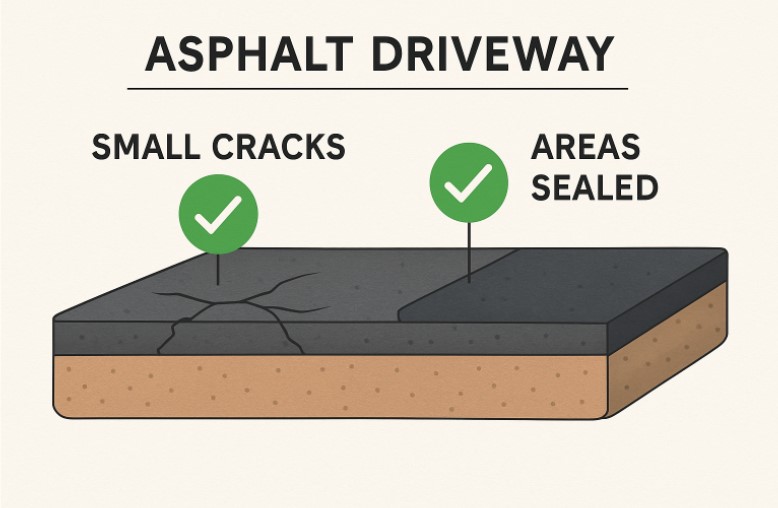
Sealcoating is akin to applying a protective sunscreen to your pavement. Scheduled every two to three years, this process shields asphalt from water, chemicals, and UV damage. Effective sealcoating starts with thorough surface cleaning to remove debris, oil stains, and dirt. After cleaning, cracks should be filled, and repairs should be made before applying the sealant. Choose a dry, mild day for best results, and avoid sealing immediately after rainfall or during extreme temperatures.
A high-quality application not only resurrects the deep black finish preferred for commercial properties but also provides a valuable, cost-saving barrier against premature degradation. Consistent sealcoating should be a cornerstone of any asphalt maintenance plan.
Efficient Repair Methods
Even with careful inspection, some cracks, holes, and surface defects are inevitable. Fast, effective repairs prevent localized damage from spreading and preserve the integrity of the full pavement structure.
- Crack Filling: This simple, affordable method seals minor cracks before water can infiltrate, extending the pavement’s useful life.
- Patching: For potholes and larger areas of failure, cutting out damaged asphalt and patching with new material ensures stability and safety.
- Infrared Repair: This advanced technology heats existing asphalt, blending it with new material for a seamless, durable repair—especially valuable for busy parking lots and high-visibility zones.
Selecting the most appropriate repair technique depends on the issue’s size, location, and urgency. DIY kits can address small cracks, but expert assessment is recommended for more extensive or recurring problems.
Seasonal Maintenance Tips
Adapting your asphalt care routine to changing seasons is crucial. In spring and summer, clear away winter debris and inspect for cold-weather damage. This is also the best time to undertake repairs and apply sealcoating, as warm, dry weather promotes optimal adhesion and curing. In the fall, prioritize clearing leaves, ensuring blockage-free drains, preparing the surface for wet conditions, and preventing pooling water. During winter, minimize the use of harsh de-icing agents and shovel snow promptly to reduce surface stress from freeze-thaw cycles.
Eco-Friendly Approaches to Asphalt Care
Today’s property owners and facility managers are increasingly seeking sustainable pavement solutions. Recycling old asphalt for repairs, selecting low-VOC sealants, and incorporating permeable pavement designs that allow water to flow through are environmentally responsible approaches. These choices minimize landfill contributions, reduce resource consumption, and often garner local government support or incentives. For guidance on adopting greener practices, resources like the EPA’s sustainable materials management guide offer valuable insights.
Frequently Asked Questions
- How often should asphalt be resealed? Under typical conditions, it should be resealed every 2-3 years, more often for areas with high traffic or severe weather.
- What issues require immediate professional attention? Large, spreading cracks, heaving, persistent potholes, and prolonged water pooling require prompt expert evaluation.
- Are DIY repairs effective? While patching minor damage can be a cost-effective fix, extensive or repeated problems should be addressed by professionals for lasting results.
Preserving asphalt requires foresight, consistent upkeep, and timely intervention. By sealing, repairing, and maintaining surfaces, property owners can prevent premature damage while ensuring safety and durability. Thoughtful care reduces costly replacements, extends longevity, and enhances curb appeal—making maintenance not just practical, but an investment in long-term value and reliability.